

Introduction
In the fast-evolving world of drone technology, understanding the regulations that govern drone operations is paramount. One crucial aspect that often sparks inquiries is the authority responsible for overseeing the airspace and the specific locations where drones can take off and land. While the Federal Aviation Administration (FAA) plays a pivotal role in ensuring sky safety, the extent of its authority over land and property remains a subject of ongoing discussion.
In this article, we will explore the intricacies of drone regulation, placing significant emphasis on the importance of comprehending the distinction between federal and local authority, particularly when it comes to the selection of takeoff and landing areas.
FAA’s Authority Over Airspace
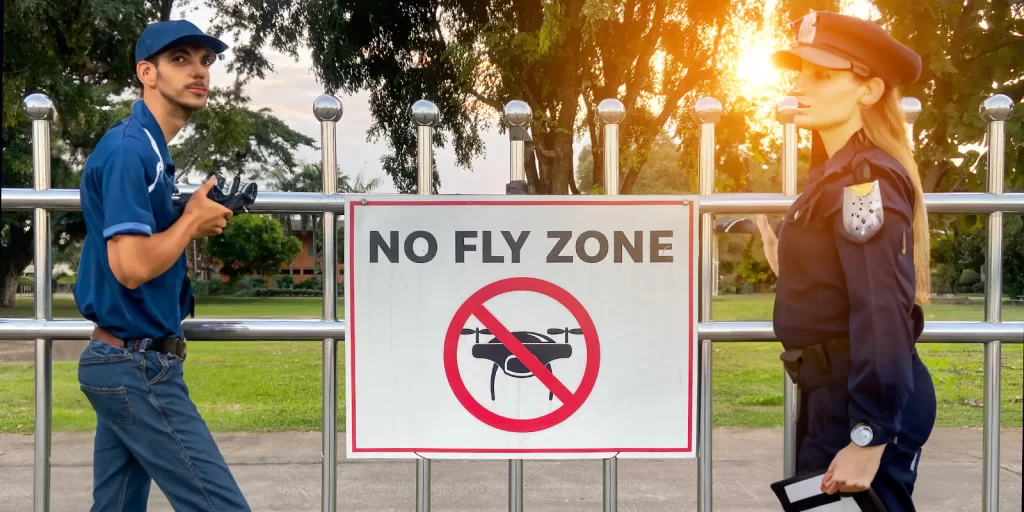
While the Federal Aviation Administration (FAA) governs the national airspace, it is important to recognize that state and local authorities also play a role in the regulation of drones. Specifically, these authorities have the jurisdiction to determine specific takeoff and landing areas for drones within their respective regions. As responsible and law-abiding drone pilots, it is incumbent upon us to proactively familiarize ourselves with any regulations or guidelines imposed by local governments.
By taking the time to understand and adhere to these regulations, we not only ensure compliance with the law but also demonstrate respect for the concerns and priorities of the local communities in which we operate. This is especially crucial as drone technology becomes more prevalent and integrated into daily life. By being mindful of and respecting local regulations, we can foster positive relationships with the communities we serve and promote a harmonious coexistence between drone operations and the interests of local residents.
Furthermore, engaging in open communication and collaboration with local authorities can help establish a mutually beneficial framework for drone operations. By demonstrating our commitment to operating within the confines of both federal and local regulations, we contribute to building trust and addressing any concerns that may arise.
Ultimately, recognizing and respecting local authority in drone regulation is not only a legal obligation but also a responsible approach that enhances safety, preserves community harmony, and paves the way for the continued growth and acceptance of drone technology. By actively engaging with local regulations and being proactive in our compliance efforts, we contribute to the positive development of the drone industry while ensuring that our operations align with the needs and interests of the communities we serve.
Local Authority in Drone Regulation
While the Federal Aviation Administration (FAA) governs the national airspace, it is important to recognize that state and local authorities also play a role in the regulation of drones. Specifically, these authorities have the jurisdiction to determine specific takeoff and landing areas for drones within their respective regions. As responsible and law-abiding drone pilots, it is incumbent upon us to proactively familiarize ourselves with any regulations or guidelines imposed by local governments.
By taking the time to understand and adhere to these regulations, we not only ensure compliance with the law but also demonstrate respect for the concerns and priorities of the local communities in which we operate. This is especially crucial as drone technology becomes more prevalent and integrated into daily life. By being mindful of and respecting local regulations, we can foster positive relationships with the communities we serve and promote a harmonious coexistence between drone operations and the interests of local residents.
Furthermore, engaging in open communication and collaboration with local authorities can help establish a mutually beneficial framework for drone operations. By demonstrating our commitment to operating within the confines of both federal and local regulations, we contribute to building trust and addressing any concerns that may arise.
Ultimately, recognizing and respecting local authority in drone regulation is not only a legal obligation but also a responsible approach that enhances safety, preserves community harmony, and paves the way for the continued growth and acceptance of drone technology. By actively engaging with local regulations and being proactive in our compliance efforts, we contribute to the positive development of the drone industry while ensuring that our operations align with the needs and interests of the communities we serve.
Scope of State and Local Jurisdiction
State and local jurisdictions wield significant authority over a wide array of legal aspects, encompassing land use, zoning, privacy, law enforcement operations, and related matters. It is vital to comprehend that these laws exist independently of federal regulations and are not subject to federal oversight. While the Federal Aviation Administration (FAA) holds the primary responsibility for maintaining airspace safety, it lacks the jurisdiction to dictate land use policies or directly regulate privacy concerns at the local level.
This underscores the importance for drone pilots to be acutely aware of the specific restrictions or guidelines imposed by local ordinances when it comes to selecting suitable takeoff and landing locations for their drones. Local jurisdictions establish these regulations to address community concerns such as noise pollution, privacy infringement, the preservation of sensitive areas, and other pertinent factors that influence the well-being and tranquility of the local population.
To ensure strict adherence to regulations and foster responsible drone operations, it is incumbent upon drone pilots to proactively engage in thorough research and familiarize themselves with the local regulations governing their operating areas. By doing so, pilots can navigate the intricate landscape of state and local jurisdiction, conduct their flights within legal boundaries, and show respect for the concerns and interests of the communities they serve.
By adhering to local restrictions and guidelines pertaining to takeoff and landing locations, drone pilots exemplify their commitment to responsible and lawful operations. This not only cultivates positive relationships with local communities but also mitigates the risk of legal complications and safeguards the overall reputation and credibility of the drone industry.
In essence, recognizing and acknowledging the scope of state and local jurisdiction, and actively conforming to the regulations set forth, is of paramount importance for drone pilots to ensure safe, responsible, and harmonious operations. By being well-informed about and showing reverence for local restrictions, drone pilots make significant contributions to the growth, acceptance, and advancement of the drone industry, while simultaneously fostering positive engagement and collaboration with the communities they are privileged to serve.
Navigating the Regulatory Landscape
As the drone industry expands at a rapid pace, it becomes increasingly critical for drone pilots and regulatory bodies to engage in collaboration and establish comprehensive guidelines. While the Federal Aviation Administration (FAA) maintains exclusive authority over the national airspace, it is essential to recognize that cooperation with state and local governments is paramount in achieving a harmonious balance between safety and addressing community concerns.
To navigate the regulatory landscape effectively, all stakeholders must prioritize communication and understanding. By fostering open lines of dialogue between drone pilots, regulatory bodies, and local authorities, a more effective and cohesive regulatory framework can be established. This framework should consider the unique needs and interests of different regions, while also ensuring compliance with federal regulations.
Collaboration between drone pilots and regulatory bodies facilitates the exchange of knowledge and expertise, allowing for the development of clear guidelines that reflect the evolving nature of the drone industry. It enables regulatory bodies to stay informed about the specific challenges and advancements in drone technology, which in turn aids in the formulation of regulations that are practical, enforceable, and responsive to industry dynamics.
Moreover, effective communication and collaboration foster a sense of mutual understanding and trust between drone pilots and local communities. By actively engaging with community concerns and involving local authorities in the regulatory process, drone pilots can address potential conflicts and build positive relationships based on transparency and respect. This engagement ensures that regulatory decisions are made in a manner that considers the needs and interests of both drone operators and the communities they operate in.
By navigating the regulatory landscape collaboratively, the drone industry can benefit as a whole. A well-defined and inclusive regulatory framework instills confidence in drone technology, encourages innovation, and supports the responsible and safe integration of drones into various sectors. It also provides a solid foundation for continued growth and acceptance of drones, while simultaneously safeguarding public safety and addressing community concerns.
The success of the drone industry relies on effective collaboration and understanding between drone pilots, regulatory bodies, and local authorities. By fostering open lines of communication, sharing knowledge, and prioritizing community engagement, a comprehensive and balanced regulatory framework can be established. This framework will not only ensure the safety and responsible operation of drones but also facilitate the growth and acceptance of this transformative technology in a manner that respects the needs and concerns of all stakeholders involved.
Responding to Local Authority Challenges
When faced with challenges from local authorities regarding the selection of takeoff and landing locations, it is important for drone pilots to respond calmly and respectfully. In such situations, carrying documentation that clearly outlines the relevant federal regulations and any local ordinances pertaining to drone operations is highly recommended. This documentation serves as a valuable resource to support your compliance with the applicable laws.
Engaging in a constructive dialogue with local authorities is key. Take the opportunity to explain the purpose and intent of your flight, emphasizing that you are committed to operating in a safe and responsible manner. Demonstrate your awareness of both federal and local regulations and express your willingness to adhere to them.
By showing respect for the concerns of local authorities and actively engaging in dialogue, you can often address any misunderstandings or reservations they may have. Seek to understand their specific concerns and consider any valid points they raise. Together, you can work towards finding a resolution that ensures compliance with the law while still allowing you to carry out your drone operations within the appropriate guidelines.
In some cases, local authorities may have additional requirements or restrictions that are not covered by federal regulations. It is important to approach these situations with an open mind and a willingness to adapt your plans if necessary. Consider alternative takeoff and landing locations that may be more acceptable to local authorities while still allowing you to achieve your objectives.
Remember, maintaining a cooperative and professional attitude is crucial throughout the process. Even if the situation becomes challenging or contentious, it is essential to remain calm, respectful, and focused on finding a mutually agreeable solution. By approaching these encounters in a proactive and cooperative manner, you can help foster understanding, build positive relationships, and contribute to the overall acceptance and integration of drones in your local community.
When faced with challenges from local authorities regarding takeoff and landing locations, responding with composure and respect is paramount. Carrying documentation, engaging in constructive dialogue, and demonstrating a commitment to compliance can go a long way in resolving concerns and ensuring a smoother outcome. By actively seeking understanding and working collaboratively with local authorities, you can navigate these challenges effectively while upholding the principles of safe and responsible drone operations.
The Takeaway
Selecting the appropriate takeoff and landing locations for drones is a matter of utmost importance. While the FAA holds exclusive authority over the national airspace, state and local governments have the power to influence specific areas for these operations. Striking the right balance between federal and local authority is vital to ensure safety, compliance, and respect for community concerns.
As responsible drone pilots, it is our duty to stay well-informed about federal regulations and any applicable local restrictions. By doing so, we contribute to safe and responsible drone operations, fostering the growth and innovation of the industry while maintaining the trust of our communities.
Be smart, safe, and forever fly!
If you have any questions, let us know! If you’d like to hire us, you can get more information here.
Written by: Tony Marino, MBA – FAA Certified Part 107 Commercial Drone Pilot and Chief Business Strategist at Aerial Northwest
Resources
Federal Aviation Administration (FAA) – Official regulatory body for drone operations in the United States. Their website provides information on drone regulations, certification requirements, and airspace restrictions:
Disclaimer: The information provided in this blog post is for general informational purposes only and should not be construed as legal advice.
DRONE BUSINESS STRATEGY MAGAZINE
A free digital publication made exclusively for all small business drone pilots to them help start-up, become profitable while sustaining a competitive advantage within the drone service industry sector they opt to serve.
“If you love to fly, we’d love to have you come aboard!”
We share your information with no one. Our Privacy Policy.





Leave a Reply
Your email is always safe with us.