


In the world of drone business, who you surround yourself with can make or break your career. As Isaac Newton famously said, “If I have seen further, it is by standing on the shoulders of giants.” But in today’s digital landscape, finding the right shoulders to stand on isn’t always easy. There are countless drone business influencers—some are true experts, dedicated to drone pilot business excellence, while others offer little to no real, proven substance.
Whether you’re just starting or scaling your drone business, one of the most significant decisions you’ll make is choosing a mentor. A mentor doesn’t just offer advice; they provide a roadmap, share their hard-won wisdom, and open doors to new opportunities. The right mentor can help you see further, avoid costly mistakes, and accelerate your success. However, choosing the wrong mentor can lead to confusion, poor decisions, and even damage to your brand’s reputation. So, how do you find the right mentor to take your drone business to the next level?
What Is a Mentor?
A mentor is more than just an experienced professional—it’s someone who actively guides you, challenges you, and helps you refine your business strategy. They’ve been where you are and have learned valuable lessons along the way. A great mentor:
- Offers insights that help you navigate challenges and opportunities.
- Provides honest, constructive feedback.
- Connects you with industry professionals and potential clients.
- Helps you avoid common pitfalls and accelerate your business growth.
The drone industry is competitive, and having the right mentor can mean the difference between struggling and thriving.
Why a Drone Pilot Business Mentor?
The drone industry is still evolving, and new regulations, technologies, and business strategies are constantly emerging. A mentor helps you stay ahead by:
- Providing industry-specific knowledge – Understanding airspace laws, FAA regulations, and business best practices.
- Helping you develop a strong business model – From pricing strategies to client acquisition, a mentor can help you avoid trial-and-error mistakes.
- Offering networking opportunities – The right mentor introduces you to key players in the industry.
- Keeping you accountable – A mentor challenges you to grow and push beyond your comfort zone.
What to Look for in a Mentor
Not all mentors are created equal. The wrong one can lead you down the wrong path, wasting your time and money. Here’s what to look for when choosing a drone business mentor:
- Proven Success – Have they built and sustained a profitable drone business?
- Industry Experience – Do they have expertise in the specific drone services you want to offer (real estate, mapping, cinematography, inspections, etc.)?
- Strong Reputation – Are they respected in the drone community? Look for testimonials, client feedback, and industry recognition.
- Willingness to Teach – A great mentor is willing to share knowledge and offer real, actionable advice.
- Alignment with Your Goals – Do they align with your long-term business vision?
How to Connect with a Mentor
Finding the right mentor doesn’t happen overnight. It requires time, research, and a strategic approach. But the right mentor can open doors to growth, new opportunities, and valuable insights. Follow these steps to ensure you’re connecting with the right person to help take your drone business to the next level.
1. Know Your Why
Before you even begin reaching out to potential mentors, take a step back and think deeply about why you need one. Mentorship is a two-way relationship, so understanding your own goals and needs is the first crucial step in this journey.
What are your goals? Are you looking to grow your client base, learn more about marketing, or improve your flight techniques? The clearer your goals are, the easier it will be to choose someone who aligns with them.
What challenges are you facing? Are you stuck on a specific problem, like handling client negotiations or pricing your services? Identifying your challenges will help you pinpoint a mentor who has navigated similar hurdles.
What are your expectations? Knowing what you hope to get out of the mentorship will allow you to communicate clearly with your potential mentor. Be honest about what you need and how you envision the mentorship benefiting your business. This helps prevent future misunderstandings.
By defining your “why,” you’ll not only make sure you connect with a mentor who fits your needs, but you’ll also be more focused on achieving tangible results.
2. Define Your List of Potential Mentors
Once you know what you need, it’s time to start searching for mentors. Researching drone industry professionals who align with your goals and vision is crucial for finding someone who can make a real impact.
How have they built their business? A mentor should be someone who has walked the same path you’re on. Look for mentors who have scaled their businesses successfully and can offer strategies that match your aspirations.
What strategies do they use that align with your goals? If your goal is to focus on real estate drone photography, find mentors who specialize in that niche. If you’re interested in drone inspections, look for people who have a proven track record in that area.
Have they successfully helped others grow in the industry? A mentor’s ability to guide others is just as important as their own success. Check for testimonials, client reviews, and success stories. This can help you gauge whether they have the skills to help you achieve your business objectives.
Where to look: Examine their online presence. Follow them on social media platforms, dive into their blogs, websites, or YouTube channels. Get a sense of their communication style, expertise, and how they engage with the community. If they’re consistently offering actionable advice, that’s a good sign that they’re experienced and credible.
3. Imagine Your Plan
Now that you’ve started identifying potential mentors, it’s time to envision what the mentorship will look like. Having a clear picture of your needs and expectations will make it easier for you to approach them thoughtfully.
What do you need from this relationship? Are you looking for regular, structured guidance (e.g., monthly calls, feedback on specific projects), or are you seeking more informal, on-demand advice?
How do you want the mentorship to unfold? Do you want your mentor to be someone who provides hands-on feedback, or would you prefer someone who guides you toward independent growth? Be specific.
Having a clear, actionable plan for what you want to achieve with the mentorship helps ensure the relationship is productive and mutually beneficial.
4. Create Your Plan
Now that you’ve got a roadmap for what you need from a mentor, it’s time to make it happen. Here’s how to approach potential mentors in a respectful and professional manner:
Engage with their content – If the mentor you’re interested in shares content online (articles, social media posts, videos, etc.), start by engaging with their work. Comment on their posts, share their content, and ask thoughtful questions. This shows you’re genuinely interested and helps you stand out in a positive way.
Attend industry events – Networking events, conferences, and workshops are great places to meet potential mentors in person. Participate in drone-related expos, training sessions, or even casual meet-ups. Being in the same room as someone you admire makes it easier to form a connection.
Send a thoughtful message – Don’t simply send a generic “Will you mentor me?” message. Be specific about what you admire about their work and why you think they’d be a great mentor. Mention how you’ve engaged with their content or heard them speak at an event. Then, outline clearly what you’re hoping to learn or achieve from the mentorship. Show that you’ve done your homework and that you’re committed to your growth.
5. Implement Your Plan
Once you’ve established contact with your mentor, it’s time to take action. Prove that you’re serious about the mentorship and respect their time.
Listen and apply their advice – A mentor’s advice is valuable, so make sure you listen carefully and apply their guidance. Don’t ask the same questions repeatedly or ignore their recommendations. Your progress will be a direct result of how seriously you take their feedback.
Respect their time – Mentors are often busy professionals, so it’s essential to come prepared for meetings and ask specific, meaningful questions. Be punctual and respectful of the time they offer. Keep communication concise, and focus on topics that will help you grow.
Show progress – As you implement their advice, share your results with them. Show how you’ve used their guidance to improve your business or overcome challenges. Not only does this demonstrate that you value their time, but it also keeps the mentorship focused on growth and results.
6. Assess and Measure Your Strategy
Mentorship isn’t a passive process—it requires regular evaluation. Periodically assess the mentorship’s impact on your business to determine whether it’s helping you achieve your goals.
Are you seeing growth? Are your leads increasing? Is your business running more efficiently? Are you gaining new skills or knowledge? Track specific KPIs (key performance indicators) to measure the tangible results of your mentorship.
Are their insights helping you make better decisions? If you’re still struggling with the same issues, it might be time to reassess your approach or consider if the mentorship is still the right fit.
If you feel the mentorship is no longer serving your needs, don’t be afraid to re-evaluate and move on to a new mentor who aligns better with your current goals.
7. Refine Where Necessary
Sometimes, mentorship relationships need adjustments. If certain aspects aren’t working, it’s okay to pivot and refine your approach. Not every mentor will be a perfect match, and that’s completely normal.
Seek feedback from your mentor. If things aren’t clicking, consider having a candid conversation with your mentor about your goals and how you can better align with each other.
Keep refining your approach – If one mentorship doesn’t work out, it’s an opportunity to refine your strategy and learn from the experience. Keep searching for the guidance that will help your business grow.
A Caveat: Don’t Be Too Pushy – Patience Is Key
When seeking out a mentor, it’s essential to remember that building meaningful relationships takes time. While it’s important to be proactive, being too pushy can have the opposite effect and turn a potential mentor away. A calculated approach, paired with patience, is often more effective than rushing into the process.
Fool’s rush in, but don’t be the fool.
Mentorship is a professional relationship that, when done right, requires mutual respect and understanding. It’s easy to get excited and want to speed up the process, but trying to force a mentor into your corner before a solid foundation has been built can be off-putting. A good mentor will recognize your enthusiasm, but they’ll also expect you to show commitment and maturity in the way you approach the relationship.
Patience is a virtue.
Understand that mentors are often busy professionals who have their own businesses and responsibilities. Bombarding them with multiple messages, frequent follow-ups, or immediate demands can cause frustration. Instead, take your time to develop a genuine connection. Engage thoughtfully with their content over time, and when the time is right, reach out in a way that respects their time and experience.
Don’t be creepy, sketchy, or a stalker.
There’s a fine line between being persistent and being overbearing. Repeatedly messaging someone without getting a response, showing up at their events without invitation, or obsessively monitoring their social media accounts will not only be disrespectful, it can also come off as creepy or unprofessional. Remember that a mentor is not an obligation—they choose to invest their time based on your actions and behavior. Stay professional, respectful, and don’t make them feel uncomfortable or pressured.
You can’t buy true love.
Not every potential mentor will be open to connecting, and that’s okay. Building a mentor-mentee relationship is about genuine connection—not about forcing someone to teach you or trying to buy their attention. If they don’t respond, move on with grace. Keep your ego in check and don’t take it personally. You can still learn valuable lessons from them, even from a distance. If you maintain a humble, respectful, and dedicated attitude, you’ll find that the right mentors will come into your life. And sometimes, the connection won’t be immediate, but with persistence and professionalism, it can grow over time.
Quality over quantity.
Rather than reaching out to multiple mentors with vague requests, focus on building a few high-quality connections. Make sure you’re prepared and have a clear understanding of what you need from them before initiating any conversations. This focused effort can result in more meaningful and successful mentorship relationships than taking a scattershot approach.
When you make a real connection, the benefits can be huge.
If you’re able to build that over-the-top connection with a mentor, there may be additional benefits down the line. A strong, genuine relationship can lead to them supporting you in ways beyond advice, such as driving traffic your way by offering access to their audience. This can be an incredible way to increase your brand’s awareness and get in front of a wider, more relevant audience.
Takeaway
Success in the drone industry isn’t just about flying—it’s about strategy, business savvy, and surrounding yourself with the right people. A mentor can be one of your greatest assets, guiding you through challenges, helping you seize new opportunities, and laying the groundwork for long-term business success.
But remember, not all mentors are created equal. It’s crucial to choose wisely—seek out those with proven expertise, a track record of success, and a genuine desire to help you grow. The right mentor won’t just show you the ropes; they’ll challenge your thinking, help you see the bigger picture, and empower you to reach heights you never thought possible.
If you have any questions, let us know! If you’d like to hire us, you can get more information here.
Written by: Tony Marino, MBA – FAA Certified Part 107 Commercial Drone Pilot and Chief Business Strategist at Aerial Northwest
Disclaimer: The information provided in this blog post is for general informational purposes only and should not be construed as legal advice.
Resources
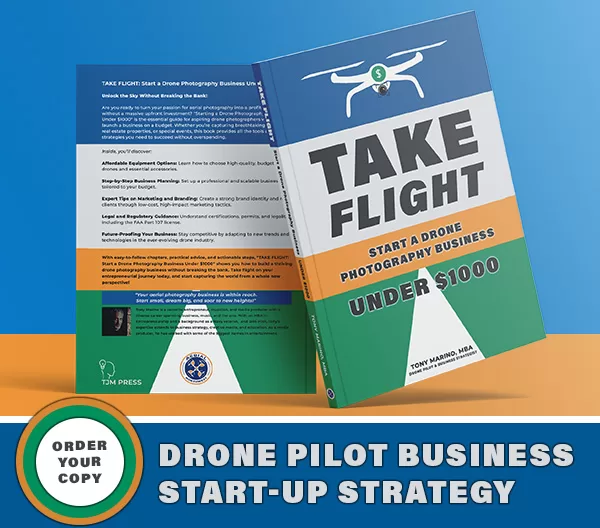
Starting Your Own Drone Service Business
Pick up your copy today on Amazon and wherever fine books are sold.

DRONE BUSINESS STRATEGY MAGAZINE
A free digital publication made exclusively for all small business drone pilots to them help start-up, become profitable while sustaining a competitive advantage within the drone service industry sector they opt to serve.
“If you love to fly, we’d love to have you come aboard!”
We share your information with no one. Our Privacy Policy.




Leave a Reply
Your email is always safe with us.