
Some common questions drone pilots might be asked by curious members of the public during a flight include: “What are you doing?” “What are you looking for up there?” “Why are you flying here?” “Where did you get permission to fly here?” “How high can that thing go?” It’s important for drone pilots to be prepared to answer these questions […]
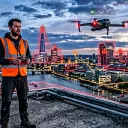
Drone pilots can prevent confrontations with the public during a flight by taking a “confrontation prevention” approach. This includes dressing the part, openly exhibiting essential identification and flight equipment, and overtly illustrating intentions. It’s also helpful to use a visual observer to support the flight mission and handle initial public “face-to-face” engagements.
What should drone pilots do if they are approached by curious members of the public during a flight?
Drone pilots should be prepared to answer questions from curious members of the public during a flight. It’s important to remain courteous and professional at all times and to have a clear understanding of the “5W’s and H” of the flight operation, including who, what, why, where, when, and how.
Drone pilots can mitigate the risks of confrontations with the public by taking a purposeful preventative approach. This includes anticipating and expecting the unexpected, considering other flight location options, being visible and courteous, and keeping the ego checked at the door.
The “See and Be Seen Prevention Strategy” is a set of guidelines that drone pilots can follow to reduce the potential for being disturbed while conducting their aerial missions. These guidelines include anticipating and expecting the unexpected, considering other flight options, remaining courteous and professional, and assuming that they are always being observed.
- 1
- 2