

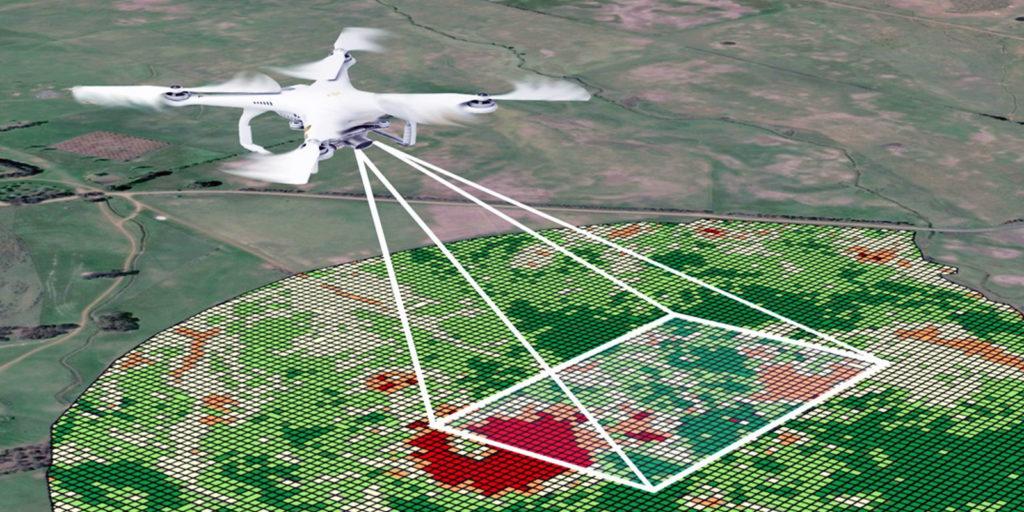
The use of drone technology is rapidly growing in many industries, from agriculture to construction and beyond. However, some businesses are still hesitant to adopt this innovative technology due to various challenges. Prohibitive start-up costs, confusion over the technology, constantly changing regulations, difficulties in hiring and training personnel, and the need to rework existing business processes are some of the reasons that hold back drone adoption.
In this article, we consider Scott Howe’s fairly extensive report, “6 Barriers to Drone Adoption and How to Overcome Them,” as we take an abbreviated look into these particular five obstacles and provide actionable solutions for businesses to overcome them and accelerate the adoption of drone technology. By addressing these obstacles, businesses can unlock the full potential of drones and gain a competitive edge in their respective industries. This article provides businesses with a guide on how to overcome some of the common obstacles to drone adoption. By moving beyond these obstacles, businesses can successfully integrate drones into their operations, which can lead to increased efficiency, productivity, and safety.
The article covers the specific challenges that businesses face, such as the high cost of start-up, confusion over the technology, the constantly changing regulatory environment, hiring and training staff, and re-working existing business processes. It also offers practical solutions to overcome these obstacles, including leasing or renting drones, investing in training programs, working closely with regulatory agencies, partnering with specialized providers, and conducting process analysis. Overall, the article provides valuable insights and actionable steps for businesses to adopt drone technology successfully.
The First Obstacle | Problem/Solution
One of the primary obstacles to adopting drone technology is the high cost of start-up. This can be a significant barrier for many businesses, especially small and medium-sized enterprises (SMEs), as the initial investment required to purchase drones and related equipment can be substantial. However, companies can explore other options to overcome this challenge.
One alternative to purchasing drones outright is leasing or renting them. Leasing allows businesses to use the drones for a specific period, usually with a fixed monthly payment. This can be a more affordable option as it avoids the large upfront costs of buying drones. Renting drones on a project-by-project basis can also be a cost-effective option for businesses that don’t require drones on a regular basis.
In addition to leasing or renting, some drone providers offer finance options that allow businesses to spread the cost over a more extended period. This can make it easier for businesses to adopt drone technology by reducing the financial burden of a large upfront investment. However, it’s essential to carefully evaluate the financing options available and choose the one that best suits the company’s needs and financial situation.
Overall, by exploring leasing, renting, or financing options, businesses can overcome the high cost of start-up and successfully adopt drone technology. It’s important to carefully evaluate each option, as well as the specific needs of the business, to make an informed decision that aligns with the company’s goals and financial situation.
The Second Obstacle | Problem/Solution
The second obstacle to drone adoption is the lack of understanding or confusion over the technology. This can be addressed by investing in training programs that educate employees on the use and benefits of drones. These programs should be designed to provide employees with a comprehensive understanding of how to operate the drones safely and effectively. The training should be tailored to the specific needs of the business and should include both pilots and other employees who will interact with the drones.
In-house training programs can be developed to teach employees about the various applications of drones, such as aerial surveys, inspections, and mapping. The training should also cover the necessary regulations and guidelines for flying drones, such as airspace restrictions, weather conditions, and privacy concerns. Additionally, it should provide practical training on how to handle emergencies, such as equipment failure or mid-flight collisions.
Alternatively, businesses can outsource the training to specialized providers who can provide customized programs that meet the specific needs of the business. These providers can offer hands-on training that covers both the theoretical and practical aspects of drone operation. This can be especially helpful for businesses that lack the necessary resources or expertise to develop their training programs.
Investing in comprehensive training programs can help to alleviate any confusion or skepticism about drone technology within the workforce. By equipping employees with the skills and knowledge they need to operate drones safely and effectively, businesses can ensure that their operations are efficient and productive. Additionally, well-trained employees can help to minimize the risk of accidents, equipment damage, or other incidents that can arise from using drones.
The Third Obstacle | Problem/Solution
The third obstacle to drone adoption is the constantly changing regulatory environment. Drone regulations are evolving rapidly, and it can be challenging for businesses to stay up-to-date with the latest rules and guidelines. Failure to comply with these regulations can lead to legal and financial penalties, which can be a significant deterrent for businesses.
To overcome this obstacle, businesses need to stay informed about the latest regulations and ensure they are compliant with them. This can be achieved by working closely with regulatory agencies, attending conferences and seminars, and subscribing to newsletters or updates from industry organizations. By doing so, businesses can stay up-to-date with the latest changes and be prepared to adapt quickly to new regulations.
It’s also important for businesses to have a clear understanding of the regulations that apply to their specific industry and operations. This requires regular research and analysis of the regulatory landscape to ensure compliance. By investing in compliance and working proactively to stay up-to-date, businesses can mitigate the risk of regulatory penalties and foster a positive relationship with regulatory agencies.
In addition to staying up-to-date with regulations, businesses should also consider building relationships with regulatory agencies. This can help companies to better understand the regulations and to work with the agencies to navigate any challenges that arise. By establishing these relationships, businesses can also provide feedback to the agencies on how regulations can be improved to better serve the industry.
Attending conferences and seminars can also be valuable in staying up-to-date with regulations and industry trends. These events provide opportunities to learn from experts in the field, network with peers, and stay informed on the latest technological advancements.
Subscribing to newsletters or updates from industry organizations can also be a useful way to stay informed about changes to regulations and industry developments. These updates can be delivered directly to your inbox, making it easier to stay on top of the latest news and trends.
Overall, staying informed and building relationships with regulatory agencies can help businesses navigate the constantly changing regulatory environment and ensure compliance with regulations while still taking advantage of the benefits of drone technology.
The Fourth Obstacle | Problem/Solution
The shortage of skilled personnel to operate and maintain drones can be a significant obstacle for businesses. In many cases, it may be more practical to outsource drone-related tasks to specialized providers who have the necessary skills and expertise. These providers can assist businesses in various ways, such as conducting drone surveys, inspections, or aerial mapping. Partnering with a drone service provider can also help businesses overcome the lack of experience or knowledge in drone technology.
Alternatively, businesses can invest in training programs for their existing employees to develop the skills required to operate and maintain drones. These programs should be tailored to the specific needs of the business and the types of drones being used. In-house training programs can also ensure that employees are familiar with the company’s operations and safety procedures. Training programs can cover a range of topics, including drone operations, maintenance, troubleshooting, and safety regulations. By investing in employee training, businesses can develop a skilled workforce that can effectively operate and maintain drones, leading to increased efficiency and productivity.
In-house training programs can be customized to the specific needs of the business and can help to create a culture of innovation and learning within the organization. Another option is to outsource the training to specialized providers who offer courses on drone operation and maintenance. By investing in training programs, businesses can ensure that their employees are equipped with the necessary skills to operate and maintain the drones, leading to increased efficiency and productivity.
Finally, the fifth obstacle is the need to rework existing business processes. Adopting drone technology may require businesses to change the way they operate, which can be disruptive and time-consuming. To overcome this obstacle, businesses can conduct a process analysis to identify areas where drones can be integrated into existing processes. This can help to streamline operations and improve efficiency, leading to cost savings and improved performance.
Overcoming the obstacles to drone adoption requires a strategic approach that addresses each obstacle individually. By leasing or renting drones, investing in training programs, staying informed about regulations, partnering with specialized providers, and conducting a process analysis, businesses can successfully integrate drones into their operations and unlock the full potential of this innovative technology.
The Fifth Obstacle | Problem/Solution
The fifth obstacle is the need to re-work existing business processes. Incorporating drones into existing processes may require a significant shift in the way work is done. This can be addressed by conducting a process analysis to identify areas where drones could be used to improve efficiency or safety. Businesses should also be willing to experiment and iterate their processes as they become more familiar with the technology.
When businesses decide to adopt drone technology, it’s important to assess how it will fit into their existing processes. The integration of drones can sometimes require a significant shift in the way work is done, and this can be daunting for many organizations. A process analysis can help identify the areas where drones can be used to improve efficiency or safety, and where they might not be the best solution. By conducting a thorough analysis, businesses can ensure that the benefits of drone technology are fully realized.
Businesses should also be willing to experiment and iterate their processes as they become more familiar with the technology. This means being open to trying new things and adjusting existing processes as necessary. As businesses gain experience with drones, they will discover new and innovative ways to incorporate them into their workflows, leading to even greater benefits. It’s essential to approach the adoption of drone technology with an open mind and a willingness to learn and adapt.
Moreover, businesses can conduct pilot projects to test the use of drones in specific areas before implementing them on a larger scale. This can help identify any potential issues or challenges and allow for adjustments to be made before committing to a full-scale implementation. By addressing each of these obstacles and developing a strategic plan to overcome them, businesses can successfully integrate drones into their operations and realize the benefits of increased efficiency, productivity, and safety. The adoption of drone technology can provide a competitive edge for businesses and pave the way for future innovation and growth in their industries.
The Takeaway
The adoption of drone technology can bring a lot of benefits to businesses, but it’s not always an easy process. This article has identified the common obstacles that businesses face when adopting drones and provided actionable solutions to overcome them. By addressing these challenges, businesses can successfully integrate drones into their operations and reap the rewards of increased efficiency, productivity, and safety.
With the growing demand for drone technology in various industries, businesses that can overcome these obstacles and adopt drones will gain a competitive edge and position themselves as industry leaders.
So, businesses that are hesitant to adopt drones should take note of these obstacles and solutions and take action to reap the benefits of this innovative technology.
Be smart, safe, and forever fly!
If you have any questions, let us know! If you’d like to hire us, you can get more information here.
Written by: Tony Marino, MBA – FAA Certified Part 107 Commercial Drone Pilot and Chief Business Strategist at Aerial Northwest
Frequently Asked Questions
References
Howe, S. (n.d.). 6 Barriers to Drone Adoption and How to Overcome Them. Commercial UAV News. https://www.commercialuavnews.com/reports/6-barriers-to-drone-adoption-and-how-to-overcome-them.
Porter, M. E. (1998). Competitive strategy: Techniques for analyzing industries and competitors. Free Press; Illustrated edition.
Disclaimer: The information provided in this blog post is for general informational purposes only and should not be construed as legal advice.
DRONE BUSINESS STRATEGY MAGAZINE
A free digital publication made exclusively for all small business drone pilots to them help start-up, become profitable while sustaining a competitive advantage within the drone service industry sector they opt to serve.
“If you love to fly, we’d love to have you come aboard!”
We share your information with no one. Our Privacy Policy.




Leave a Reply
Your email is always safe with us.